
Why Mouth Breathing Quietly Sabotages Your Oral Health
How Mouth Breathing Oral Health Problems Start — And How to Stop Them Mouth breathing oral health damage is one of dentistry’s most underappreciated slow burns: it rarely causes a single dramatic incident, yet it quietly rewires the entire environment inside your mouth, shifting conditions toward decay, inflammation, and structural change over months and years. … Read more
How Mouth Breathing Oral Health Problems Start — And How to Stop Them
Mouth breathing oral health damage is one of dentistry’s most underappreciated slow burns: it rarely causes a single dramatic incident, yet it quietly rewires the entire environment inside your mouth, shifting conditions toward decay, inflammation, and structural change over months and years. Most people who do it have no idea.
When you breathe through your nose, incoming air is filtered, warmed, and humidified before it reaches your lungs. Your mouth stays closed, sealed, and bathed in a thin protective film of saliva. The moment you default to breathing through your mouth instead, that protective environment collapses — and the consequences ripple through every tissue in your oral cavity.
What Mouth Breathing Does to Your Oral Environment
Air rushing across the teeth and gums evaporates the saliva film faster than the glands can replenish it. Within minutes, the soft tissues of the palate, gums, and tongue begin to dry. Your anterior teeth — the upper and lower front six — sit directly in the airflow path, which is why they tend to suffer first and most visibly.
This is not a cosmetic nuisance. Chronic mouth breathing shifts the bacterial ecology of your oral cavity toward conditions that favor plaque-forming, acid-producing species. Over time, that shift elevates risk across three major categories: cavities, gum disease, and structural bite changes.
Research on orthodontic patients found that mouth breathers showed significantly more mandibular rotation, higher overjet, narrower dental arches, and a higher rate of posterior crossbite compared with nasal breathers. The mechanical consequences extend well beyond dryness — the habit can literally alter how the jaw and face develop, particularly in children who are still growing.
The Saliva Connection: Decay, Bad Breath, and Mouth Breathing Oral Health

Saliva is the most underrated defense system in your mouth. It neutralizes acids, delivers calcium and phosphate for enamel remineralization, washes away food debris, and deploys antibacterial proteins that suppress harmful microbes. Mouth breathing systematically undermines every one of these functions at once.
When airflow evaporates saliva faster than the glands can replace it, oral pH drops. Acid-tolerant bacteria thrive in the drier, more acidic environment, while the remineralization cycle that normally repairs early enamel damage stalls. A peer-reviewed review confirms that chronic mouth breathing can reduce saliva’s protective effects, increase plaque accumulation, and raise the risk of both cavities and periodontal disease.
The resulting decay pattern is clinically distinctive. A recent clinical study found that predominant mouth breathing was associated with a higher prevalence of anterior dental caries in preschool children — precisely the front teeth most exposed to drying airflow. Clinicians learn to treat this anterior-zone concentration as a diagnostic fingerprint.
Bad breath follows the same logic. Saliva normally suppresses the volatile sulfur compounds produced by bacteria on the tongue and between teeth. Strip away that moisture and those odor molecules accumulate unchecked. This is why mouth breathers often wake with intense morning breath that no mouthwash fully resolves — the cause is environmental, not merely bacterial, and no rinse alone addresses it.
Recognizing the Signs: Are You a Mouth Breather?
Most chronic mouth breathers are unaware of the habit, especially when it occurs during sleep. The signs, however, are consistent and identifiable once you know what to look for.
Daytime and Morning Clues
- Waking with a parched, sticky mouth and a dry or mildly sore throat that clears within an hour of being upright and active.
- Cracked or chapped lips that persist regardless of weather, season, or hydration habits.
- Front-tooth gum inflammation — reddened, swollen gingiva concentrated around the upper incisors where airflow is most direct.
- Persistent morning breath that returns shortly after brushing, no matter how thoroughly you clean.
- Daytime fatigue and difficulty concentrating, particularly when mouth breathing is tied to disordered nighttime airflow.
Signs in Children
In growing children, the consequences reach further. Meta-analysis data links childhood mouth breathing to backward and downward mandibular rotation, a steep occlusal plane, and labial inclination — outward tilting — of the upper front teeth. A systematic review found that mouth breathing was associated with a markedly higher risk of atypical swallowing, with a pooled risk ratio of 3.70. These structural effects underscore why early identification matters so much in pediatric care.
If you share a bed with someone, ask whether you sleep with your mouth open or snore audibly. An indentation of teeth along the side of the tongue, frequent nighttime waking, or a pattern of drinking water through the night are all worth reporting to a clinician. Outside observation often reveals what self-monitoring cannot.

Photo by Towfiqu barbhuiya on Pexels
How Mouth Breathing Undermines Whitening and Enamel Integrity
For anyone investing in a brighter smile, mouth breathing is a saboteur that most whitening guides never mention. The connection runs through enamel integrity and post-treatment sensitivity — two factors that determine whether whitening is comfortable, durable, or worthwhile at all.
Whitening works by allowing peroxide to penetrate enamel and break down stain molecules within the tooth structure. Healthy enamel — kept strong by continuous salivary remineralization — holds results well and tolerates treatment comfortably. When chronic dryness disrupts that remineralization cycle, enamel across the anterior teeth becomes more porous and demineralized. The protective mineral layer that buffers nerve response is compromised, making sensitivity during and after whitening more likely and more intense.
There is also a durability problem. A mouth with elevated plaque and acid exposure re-stains faster. Results that might last many months in a well-hydrated oral environment fade noticeably sooner in a chronically dry one.
A subtler trap: mouth breathers sometimes develop a white, frosted appearance along the gumline of the front teeth. This is early surface demineralization — not a healthy white. Whitening these areas can exaggerate the contrast and make the lesions more visible. A responsible clinician identifies and addresses active demineralization before beginning any whitening protocol.
Addressing mouth breathing oral health issues is, in this sense, foundational to achieving durable, even, comfortable whitening results — whether the system is professional or at-home.
Practical Strategies to Restore Nasal Breathing
Correcting mouth breathing is rarely a willpower problem. It is usually structural, habitual, or both — and the strategies differ between waking hours and sleep.
During the Day
The goal is conscious retraining. Practice keeping your lips gently sealed with your tongue resting lightly against the roof of your mouth, just behind the upper front teeth. This tongue-to-palate resting posture is the anatomically natural position that supports nasal breathing and correct swallowing mechanics. Brief check-ins — at your desk, in the car, during screen time — gradually rebuild the default.
Address nasal congestion directly. If allergies, a deviated septum, or chronic congestion force you to breathe through your mouth, no behavioral exercise will fully succeed while the nasal route remains blocked. Saline rinses, allergen management, and a humidified indoor environment all help keep the nasal passage open and usable throughout the day.
During Sleep
At night, conscious control is unavailable. Structural and environmental changes carry the work.
- Elevate the head of the bed slightly to reduce nasal congestion and support a closed-mouth posture throughout the night.
- Sleep on your side rather than your back, which reduces the tendency for the jaw to fall open and the airway to narrow.
- Optimize bedroom humidity to prevent the airway drying that reinforces the mouth-breathing cycle.
- Treat the underlying cause — whether that is seasonal congestion, enlarged tonsils, or sleep-disordered breathing — rather than masking symptoms indefinitely.
Some people use mouth-taping products marketed to encourage nasal breathing during sleep. Approach this area with caution: these products must never be used by anyone with undiagnosed sleep-disordered breathing or nasal obstruction, and the FDA’s broader guidance on oral devices consistently emphasizes safety and professional oversight. Speak with a clinician before adopting any sleep-time intervention of this kind.
Oral Care Products That Protect a Dry Mouth
While working on the root cause, the right products can reduce the daily damage that mouth breathing oral health problems create. The objective is to compensate for what saliva is no longer providing: moisture, mineral delivery, and acid buffering.
Start with a fluoride toothpaste and consider a remineralizing formula if you are prone to cavities. Standard fluoride pastes from established brands deliver the calcium and phosphate minerals that a chronically dry mouth struggles to provide through saliva alone. For sensitivity — a common companion to demineralized enamel — look for toothpastes that incorporate potassium nitrate or stannous fluoride alongside the remineralizing base.
Choose alcohol-free rinses without exception. Alcohol-based mouthwashes are drying by design, which is precisely the wrong choice for someone already battling oral dryness. Moisturizing rinses, sprays, or gels formulated specifically for dry mouth relief — many containing humectants and salivary enzymes — are far more appropriate, particularly at bedtime when saliva production naturally slows.
For mechanical plaque control, a powered toothbrush earns its place here. Mouth breathers face elevated plaque accumulation and need consistently thorough removal; oscillating or sonic brush technology provides an advantage over manual brushing in this context. Pair it with daily interdental cleaning to address the gum inflammation that dryness encourages between teeth.
When whitening, lean toward systems designed with sensitivity in mind, offering desensitizing ingredients and lower-irritation protocols. Hydrate well around any whitening treatment, and never apply a whitening agent over active demineralized lesions — treat those first, then whiten. A patient who wakes with a bone-dry mouth might also keep a moisturizing oral gel at the bedside, run a bedroom humidifier, and use a higher-fluoride paste at night. None of these steps fixes the breathing pattern itself, but together they meaningfully reduce decay and gum damage while the underlying cause is being addressed.
When to See a Professional About Mouth Breathing Oral Health
Self-management has real limits. Because mouth breathing oral health problems frequently stem from structural or medical causes, professional evaluation is often the deciding factor between temporary symptom control and lasting resolution.
Start With Your Dentist
A dentist is best positioned to identify the early oral consequences: anterior caries, gumline demineralization, and the gingival inflammation that clinical evidence specifically attributes to dried tissues, reduced salivary protection, and increased plaque retention. They can also evaluate bite changes — particularly in children — and refer you to the right specialist when the cause lies upstream in the airway.
When to See an ENT or Sleep Specialist
If nasal obstruction, enlarged adenoids or tonsils, a deviated septum, or chronic allergies are contributing to the problem, an ear, nose, and throat specialist can evaluate and treat the structural cause directly. When nighttime symptoms dominate — loud snoring, gasping, or significant daytime fatigue — a sleep medicine specialist should assess for sleep-disordered breathing before any other intervention. Treating a symptom while missing obstructive sleep apnea carries real health risk.
Myofunctional therapists — specialists in the muscle function of the face, tongue, and airway — offer structured retraining programs for mouth breathers, particularly children. The tongue-to-palate posture described earlier is one component of a broader myofunctional approach that can address atypical swallowing patterns alongside the breathing habit itself.
The key principle: mouth breathing is a symptom as often as it is a habit. Finding and treating the cause — whether allergic, structural, or behavioral — is the only route to durable improvement. The oral health consequences addressed in this article are manageable and, in many cases, reversible. But that reversal begins with an accurate diagnosis, not a product purchase.
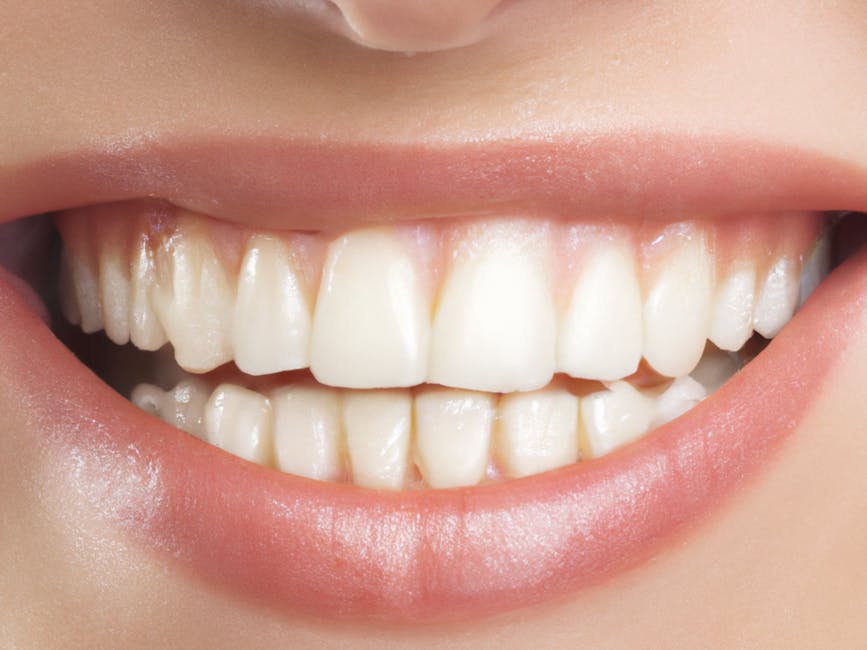
Photo by Kasim H on Pexels
References
- The effect of mouth breathing versus nasal breathing on dentofacial and craniofacial development in orthodontic patients. PubMed, NCBI.
- The impact of mouth breathing on dentofacial development. PubMed, NCBI.
- Mouth Breathing and Its Impact on Atypical Swallowing: A Systematic Review. PMC, NCBI.
- Effects of mouth breathing on facial skeletal development in children. PMC, NCBI.
- Mouth breathing is associated with a higher prevalence of anterior dental caries in preschool children. PMC, NCBI.
- Influence of Mouth Breathing on Periodontal Healing. ClinicalTrials.gov.
Disclaimer
This article is for informational purposes only. LLRNCARE makes no representations or warranties about the completeness, accuracy, reliability of the information. Any reliance is at your own risk.
For professional dental advice, consult a qualified dental professional. For regulatory compliance, consult legal experts.
—